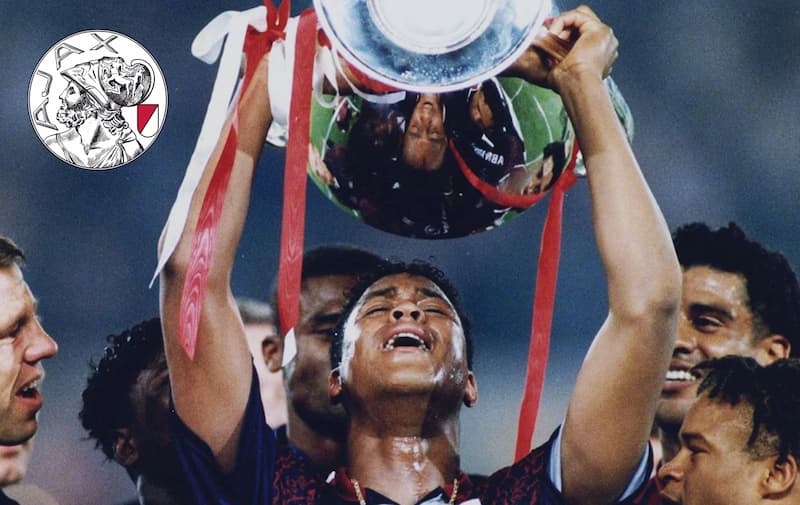
Ajax wanted fan-shot photos and video from 1995. That put the club in an unusual position for a media operation.
The contributors were not producers under contract or agencies with a delivery spec. They were thousands of supporters with no account, no training, and no reason to tolerate friction. Anything that asked more of them than a few minutes would lose the material.
The media itself was the second problem. Nothing shot in 1995 arrives clean. It comes off tape, off film, off a scanner, in whatever format the person happened to have. And it arrives with no information attached, because the only person who knows what it shows is the one who lived it.
The third problem was the one that actually decides whether a project like this is usable. Ajax needed proper permissions in place to use what came in, which meant being able to reach the person who sent it. Collect thousands of files without that, and the club owns an archive it can't publish.
The requirement was a collection of user generated content whose process was simple enough for a supporter on a phone and structured enough for a media team to work with afterwards. Those two things usually pull against each other. Every field added to a form costs submissions, and every field removed costs the archive.
Ajax resolved it by asking the contributor for the one thing only the contributor could give: what the memory was, and where it happened. Everything else the system handled. The decision was to treat the upload as the moment the record gets created rather than as a file drop to be sorted out later.
MediaLab and Ajax built a branded upload portal carrying the club's identity rather than a vendor's. Fans were invited through marketing campaigns to upload photos and video through a single form.
Each submission arrived with metadata attached, including uploader details, dates, and event context.
That gave Ajax's media team something they could search, filter, and sort before opening a single file, and it meant Ajax could reach the uploader for permissions and follow-up.
Everything landed in one central location for the media team to review and approve.